
How to Create a Book Launch Strategy That Generates Long-Term Sales
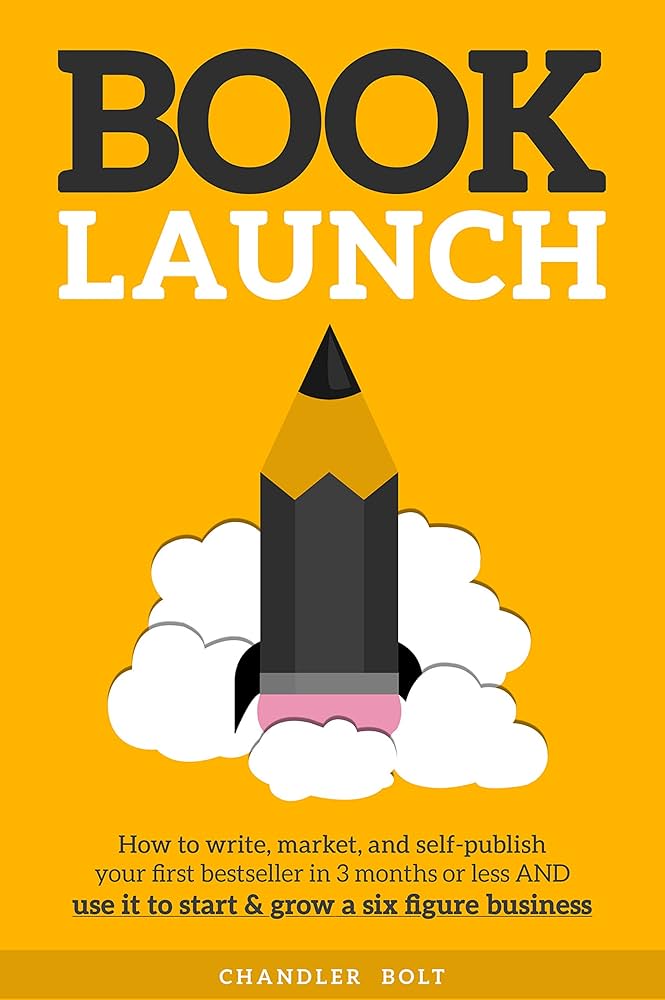
Writing a book is a great accomplishment. Many writers spend months or years writing, editing and preparing their work. Writing is just the beginning, though. Even the best book can have a hard time getting readership if it doesn’t have a plan of action.
Only a few writers discuss book marketing plans. They stress and strain to generate some excitement, some sales, and then move on. However, after the end of the launch period, book sales tend to slow down very rapidly.
Having a good book launch strategy is more than just creating short-term attention. It creates momentum that lasts for months and years. The idea is to build a system to continually attract new readers to your book after launch day.
Start Planning Early
Successful book launches start well before the book is on sale. The earlier the better to begin planning, which is several months before publication. Make a clear timeline with significant events. These can encompass cover design, website updates, email campaigns, content promotion, and final editing.
With early planning, you will have enough time to create an interest. It also allows you to avoid any last-minute stress. With all aspects planned ahead, you can concentrate on readers instead of solving unforeseen problems.
Build Audience Before Launch
The number one error that authors make is that they do not begin marketing their book until after it has been published. Consumers are more inclined to purchase from the author they know. That’s why it’s best to start building an audience as early as possible.
Share your writing journey on social media. Share behind-the-scenes insights, author advice, book snippets and personal anecdotes. Produce content that appeals to the readers who are interested in your genre or topic.
An e-mail list is also necessary. Provide something to value, like a free chapter, checklist, guide or bonus content, to encourage visitors to join your mailing list. Your first customer base and supporters will be your loyal customers.
Develop Your Own Author Brand
People tend to purchase books if they relate to the author. An author brand makes you remember. A consistent message needs to be conveyed in your website, social media profiles, book cover, and marketing materials. Consider what makes your book special and what you offer to readers.
If you’re a writer of business books, for instance, share your practical advice and industry knowledge. For those who write fiction, post stories, ideas and original work about your genre.
A good brand establishes trust and makes readers want to check out your other books.
Generate Interest Before Release Day
Create interest through the use of a media campaign, prior to the day of the release.
Weeks before publication are important. Now is the time to raise excitement and anticipation.
Provide book cover, teaser content, and excerpts. Send out e-mail and social media communications to count down to launch day.
Another option is to have advanced readers check out your book before it’s released. The early reviews give social proof and instill confidence in potential buyers.
You can also form a group of dedicated readers, friends, supporters and more to form a launch team. They can help to promote the book and make it visible once it is released.
Use Multiple Marketing Channels
Using just one marketing channel means you’re only reaching one person. A successful book launch strategy involves multiple platforms to reach different audiences. Emails are one of the best tools as they enable you to communicate directly with readers.
Social media can be used to raise awareness and engagement. Your book can be promoted through blog posts, podcasts, interviews, webinars, and guest articles. They all function as a team player to make a bigger impact. It takes multiple interactions for readers to make a decision to buy a book!
Focus on Reviews and Testimonials
You can’t overestimate the importance of book reviews in book sales. A lot of readers read the reviews prior to purchasing the product. Connect with early readers and get constructive input. Prompt them to post reviews on book-selling sites and reading forums.
If you have testimonials from industry experts, influencers, or well-known professionals, that can liven up the credibility. Positive reviews not only boost trust, but they can also increase visibility on online marketplaces.
Keep Marketing After Launch
After Week One, many authors end their book promotion efforts. This can be one of the most significant causes for sales failures. Long-term success requires ongoing marketing efforts. Continue sharing content related to your book. Make posts, videos, social media updates, and e-newsletters useful to your audience.
Seek speaking engagements, podcasts, interviews, and guest articles. Each comes out of the gate and exposes your book to a new set of readers. Don’t view your book as a one-off project.
Create Additional Content for Your Book
A great way to create long-term sales is to develop supporting content. This content can consist of articles, videos, guides, worksheets, webinars, or case studies about the topic you have in your book. Each piece of content can drive readers back to your book.
Additional story excerpts, character descriptions, and world creation articles can maintain reader interest for fiction writers. The better you create it, the more people will be able to find your content.
Develop Reader Relationships
Those who have enjoyed your book will become part of your longer-term supporters. Establishing good relationships leads to building a loyal community of followers.
Be responsive to emails and social media feedback. Acknowledge/Thank readers for reviews/feedback. Ask questions and promote dialogue.
Readers like interactive writers. A positive relationship may result in a return business, recommendations, and word-of-mouth marketing.
Final Thought
Don’t think of the book launch as one event. It’s going to be a component of a bigger approach that will build permanent brand visibility and recurring sales.
When you create a book marketing plan, build your audience, establish a strong author brand, build anticipation prior to the book launch, and promote your book after the event, you can design a book launch plan that will produce results well after launch week is over.
The best writers realize that sustained sales is a result of perseverance and engaging with readers. If you invest in establishing those relationships, your book can keep getting new readers for years.