
How to Choose the Right Attire for Healthcare Workers
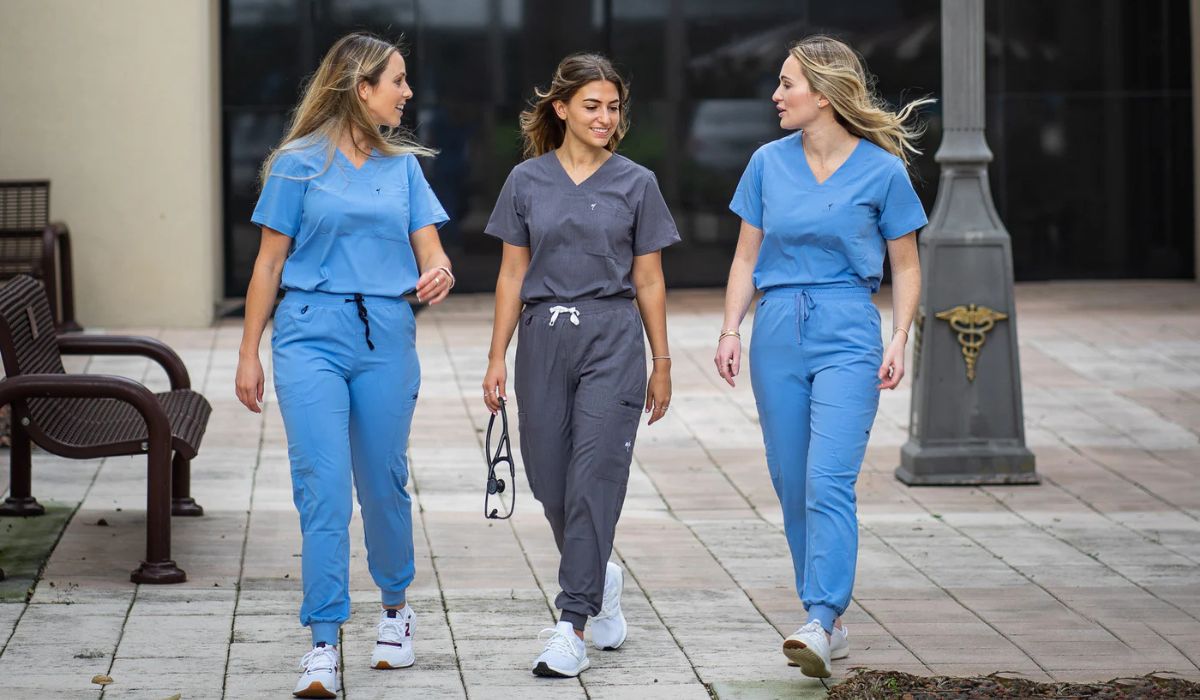
Healthcare workers spend long hours caring for patients and carrying out important tasks every day. Because of this, the clothes they wear are much more than just a uniform. The right attire helps staff stay comfortable, safe, and professional while doing their jobs. It can also improve confidence and create a positive impression on patients and visitors.
Choosing the correct workwear can sometimes be difficult because there are many options available. From scrubs and tunics to shoes and protective clothing, every item plays an important role. Medical uniforms are designed to meet the special needs of doctors, nurses, carers, and other healthcare professionals, helping them work efficiently and safely.
This guide explains the main things to consider when choosing the right attire for healthcare workers.
Put Comfort First
Healthcare professionals often work long shifts and spend many hours standing, walking, and moving between patients. Because of this, comfort should be a top priority.
Choose clothing made from soft and breathable fabrics. Materials that allow air to flow can help keep workers cool and comfortable throughout the day. Stretch fabrics are also useful because they allow easy movement during busy shifts.
Uniforms that are too tight can make movement difficult, while clothing that is too loose may become a safety risk. Finding the right fit is essential.
Consider Safety Requirements
Safety is one of the most important factors in healthcare clothing. Healthcare workers are often exposed to spills, germs, and other hazards.
Some uniforms are made with fabrics that resist stains and fluids. This can provide extra protection and make cleaning easier. In certain settings, healthcare workers may also need protective items such as gloves, masks, aprons, or gowns.
It is important to choose attire that meets the safety requirements of the workplace and follows infection control rules.
Choose Durable Fabrics
Healthcare uniforms are washed frequently because they need to remain clean and hygienic. As a result, the clothing should be strong enough to handle regular washing without losing its shape or colour.
Durable fabrics save money in the long run because they last longer and need replacing less often. Look for materials that are easy to care for and can cope with daily wear and tear.
High-quality uniforms can maintain a professional appearance even after many washes.
Select the Right Fit
A well-fitting uniform makes a big difference in comfort and confidence. Healthcare workers need clothing that allows them to bend, lift, and move freely.
When choosing attire, consider different body shapes and sizes. Many suppliers offer a wide range of sizes and styles to suit everyone.
Trying on uniforms before buying them can help ensure the best fit. Adjustable features, such as elastic waistbands or drawstrings, can also improve comfort.
Think About Practical Features
Healthcare workers often carry important items such as pens, notepads, gloves, and small medical tools. Uniforms with practical features can make daily tasks easier.
Pockets are one of the most useful features in healthcare clothing. Having enough storage space means staff can keep essential items close at hand.
Some uniforms also include easy-fastening buttons or zip closures, making them simple to put on and remove.
Maintain a Professional Appearance
The appearance of healthcare workers can influence how patients feel. Clean and professional attire helps build trust and confidence.
Different healthcare settings may require different colours or styles of uniforms. For example, hospitals often use colour-coded uniforms so patients can easily identify different staff members.
A smart and tidy uniform shows professionalism and helps create a positive image for the healthcare organisation.
Choose Suitable Footwear
Clothing is important, but footwear should never be overlooked. Healthcare workers spend many hours on their feet, so comfortable shoes are essential.
The best shoes provide good support and help reduce foot and back pain. Non-slip soles are also important because healthcare environments can sometimes have wet or slippery floors.
Shoes should be lightweight, easy to clean, and suitable for long shifts.
Consider the Workplace Environment
The type of healthcare setting can affect the clothing requirements. A hospital ward, dental clinic, care home, and laboratory may all have different needs.
Workers in colder environments may need extra layers, while those in warmer settings may benefit from lightweight fabrics. Staff working with chemicals or hazardous materials may require additional protective clothing.
Understanding the specific demands of the workplace can help in choosing the most suitable attire.
Easy Care and Maintenance
Healthcare clothing needs regular cleaning to maintain hygiene standards. Uniforms that are easy to wash and dry can save time and effort.
Wrinkle-resistant fabrics are a good choice because they help uniforms look neat with less ironing. Clothing that dries quickly can also be helpful, especially for workers who need several uniforms during the week.
Always follow the washing instructions provided by the manufacturer to keep uniforms in good condition.
Support Staff Wellbeing
The right attire can have a positive effect on a worker’s wellbeing. Comfortable and practical clothing can reduce stress and improve job satisfaction.
When staff feel comfortable and confident in their uniforms, they can focus better on patient care. Employers who invest in quality attire often see improved morale and a more positive working environment.
Listening to staff feedback can also help organisations choose uniforms that meet the needs of their teams.
Final Thoughts
Choosing the right attire for healthcare workers is about much more than appearance. The best uniforms provide comfort, safety, durability, and practicality while supporting a professional image.
Healthcare professionals work hard every day, and their clothing should help them perform their duties effectively. By considering factors such as fit, fabric, safety, and footwear, healthcare organisations can select attire that benefits both staff and patients.
Investing in high-quality healthcare clothing is an investment in the wellbeing, confidence, and performance of the people who provide essential care to others.
Also, read: How Cargo Style Scrub Uniforms Improve Daily Hospital Works