
How Nursery Programs Help Build Communication Skills?
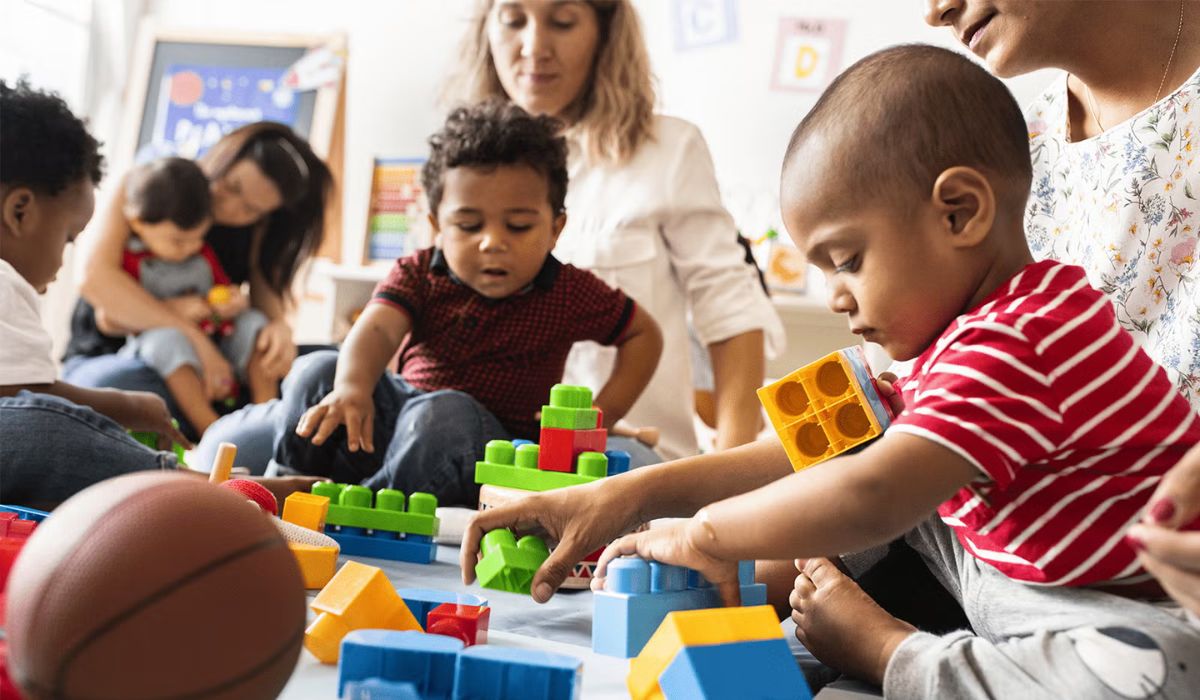
Communication skills are one of the most important abilities a child can develop in early life. These skills help children express their feelings, understand others, and build strong relationships as they grow. Nursery programs play a key role in shaping these abilities from a very young age.
In many early learning environments, including best childcare nursery Leeds, children are encouraged to speak, listen, and interact in safe and structured settings. This early exposure helps them become more confident in using language in everyday life. Nursery is often the first place where children start learning how to communicate outside their home.
In this article, we will explore how nursery programs help children build strong communication skills and why these early experiences matter for long-term development.
1. Early Exposure to Language
One of the biggest benefits of nursery programs is early exposure to language. Children hear teachers and other children speaking all day. This constant exposure helps them learn new words, sentence structures, and expressions.
At nursery, children are not just listening. They are also encouraged to respond. This back-and-forth interaction helps them understand how conversations work. Over time, they learn how to form sentences and express their thoughts more clearly.
Even simple activities like singing songs or listening to stories help children improve their vocabulary and understanding of language.
2. Learning Through Play
Play is a major part of nursery learning. It is also one of the most effective ways for children to develop communication skills.
When children play together, they naturally start talking. They might discuss roles in a game, share toys, or solve small problems. These moments teach them how to express themselves and listen to others.
Role-play activities, such as pretending to be a shopkeeper or doctor, are especially helpful. They allow children to use new words in real-life situations. This makes learning more natural and enjoyable.
3. Building Confidence in Speaking
Many young children are shy when they first start nursery. However, regular interaction with teachers and peers helps them become more confident speakers.
Nursery teachers gently encourage children to speak up during group activities. They may ask simple questions or invite children to share their ideas. This support helps children feel safe when speaking.
As confidence grows, children begin to talk more freely. They are less afraid of making mistakes and more willing to try new words.
4. Developing Listening Skills
Communication is not only about speaking. Listening is just as important. Nursery programs help children learn how to listen carefully to others.
During story time, for example, children must listen to understand the story. In group discussions, they learn to wait for their turn and listen to their classmates.
Good listening skills help children respond correctly and build better relationships with others. It also improves their ability to follow instructions, which is important for school readiness.
5. Interaction with Peers
One of the most valuable parts of nursery is interaction with other children. These social experiences teach communication in a natural way.
Children learn how to:
- Share ideas
- Ask questions
- Solve disagreements
- Work in groups
These interactions help them understand different ways of thinking. They also learn how to express themselves in a respectful and clear manner.
When children interact regularly with peers, they become more socially aware and emotionally intelligent.
6. Role of Teachers in Communication Development
Nursery teachers play a very important role in building communication skills. They act as guides who support children in every stage of learning.
Teachers use simple language to help children understand new concepts. They also repeat words and encourage children to copy them. This repetition helps children learn faster.
They also correct mistakes gently, without discouraging the child. This creates a positive learning environment where children feel comfortable speaking.
Teachers also model good communication by speaking clearly and politely. Children often learn by copying what they see and hear.
7. Storytelling and Reading Activities
Storytelling is one of the most powerful tools in nursery education. It helps children develop imagination, vocabulary, and listening skills at the same time.
When teachers read stories aloud, children learn how sentences are structured. They also learn new words in context, which makes it easier to remember them.
After storytelling sessions, children are often asked questions about the story. This encourages them to think and respond using their own words.
Picture books also help children connect words with images, improving both understanding and expression.
8. Group Activities and Communication Practice
Group activities are another important part of nursery programs. These activities require children to work together, which naturally improves communication skills.
Examples of group activities include:
- Art and craft projects
- Building blocks together
- Singing group songs
- Simple team games
In these situations, children must talk to each other, share materials, and make decisions together. These experiences teach teamwork and cooperation.
They also learn how to express disagreement in a polite way, which is an important life skill.
9. Emotional Expression Through Communication
Nursery programs also help children express their emotions. Many young children struggle to explain how they feel. Teachers help them find the right words.
For example, a child may learn to say “I am sad” instead of crying or acting out. This helps children understand their own emotions better.
When children can express emotions clearly, they are less likely to become frustrated. This improves both communication and behaviour.
10. Preparing for School and Beyond
Strong communication skills developed in nursery help children in later schooling. When children start primary school, they need to listen to teachers, follow instructions, and express ideas in class.
Children who attend nursery are often better prepared. They are more confident in speaking and more comfortable in group settings.
These early communication skills also help in later life. Whether it is making friends, studying, or future careers, good communication is always important.
Conclusion
Nursery programs play a vital role in building communication skills in early childhood. Through play, storytelling, group activities, and teacher support, children learn how to speak, listen, and express themselves effectively.
These early experiences create a strong foundation for future learning and social development. When children are given the right environment to communicate freely, they grow into confident and capable individuals.
Investing in quality nursery education is not just about early learning. It is about shaping strong communicators for the future.
Read more blogs.